 Reviews


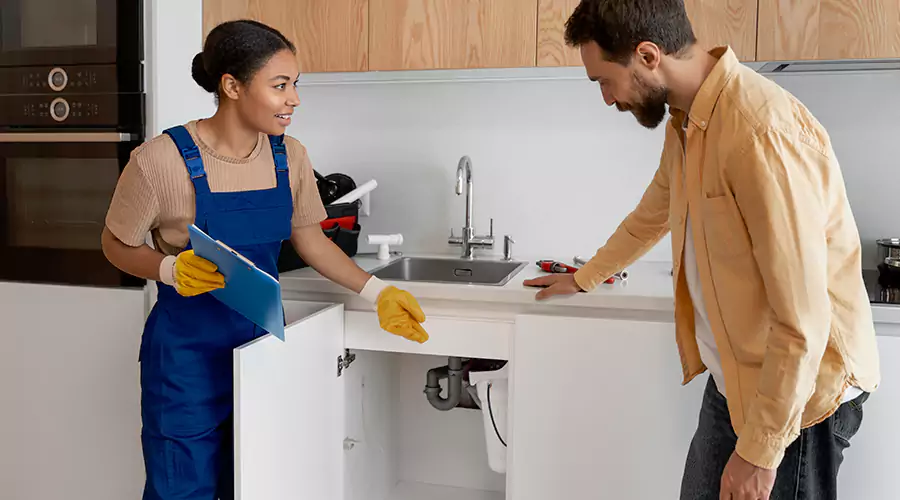
The first question most homeowners ask after discovering a leak is whether their insurance will cover the cost. Understanding exactly what your homeowners insurance policy covers before a leak happens puts you in a far stronger position when you actually need to file a claim.
The Short Answer
Most standard homeowners insurance policies cover sudden and accidental water damage from plumbing leaks. If a pipe bursts without warning and floods your living room, your policy will likely cover the resulting damage to your home and belongings.
What insurance typically does not cover is water damage caused by neglect, poor maintenance, or a slow leak that went unaddressed for weeks or months.
Knowing the difference between what qualifies as sudden and accidental versus gradual and preventable determines whether your claim gets approved or denied.
What Homeowners Insurance Typically Covers?
Sudden Pipe Bursts
A pipe that bursts unexpectedly due to freezing temperatures, a manufacturing defect, or sudden pressure failure causes immediate and significant water damage. Most standard homeowners insurance policies treat this as a covered peril because the event was sudden, accidental, and beyond the homeowner's reasonable control, making prompt water leak repair essential to minimize further damage.
Coverage in this situation typically includes repair or replacement of damaged flooring, walls, ceilings, and personal belongings affected by the water. The cost of repairing the burst pipe itself may or may not be included depending on your specific policy terms.
Accidental Overflow and Discharge
Water damage resulting from an appliance that suddenly malfunctions and overflows, a toilet that unexpectedly backs up, or a washing machine hose that fails without warning generally falls within covered territory on a standard policy.
Reviewing your policy documents carefully confirms whether appliance-related water damage is included and whether any specific exclusions apply to particular appliances in your home.
Water Damage From Firefighting Efforts
Water used by firefighters to extinguish a house fire causes significant secondary damage to floors, walls, and belongings. Most homeowners insurance policies cover this type of water damage as part of the fire damage claim rather than treating it as a separate plumbing event.
Resulting Damage From a Covered Peril
If a storm damages your roof and rainwater enters the home through the opening, the resulting water damage to interior surfaces typically falls under your dwelling coverage. Similarly, water damage that results directly from another covered event like a fallen tree or structural collapse usually qualifies for coverage.
What Homeowners Insurance Does Not Cover?
Gradual Leaks and Long-Term Seepage
A slow drip under the sink that goes unnoticed for months, a toilet that seeps water at the base over a long period, or a pipe that corrodes gradually and eventually fails all represent gradual damage rather than sudden events.
Insurance companies consider gradual leaks a maintenance issue. Policies almost universally exclude damage that developed slowly over time because reasonable home maintenance and regular inspections would have caught the problem before significant damage occurred.
Discovering a long-standing leak after it has caused mold growth, structural rot, or extensive floor damage almost always results in a denied claim.
Flooding From External Sources
Standard homeowners insurance policies do not cover flooding caused by rising groundwater, overflowing rivers, storm surge, or heavy rainfall that enters the home from outside. This type of water damage requires a separate flood insurance policy purchased through the National Flood Insurance Program or a private insurer.
Many homeowners discover this gap in coverage only after a flood event has already caused damage. Evaluating your flood risk and considering a separate flood policy provides protection that a standard homeowners policy simply cannot offer.
Sewer Backup and Drain Overflow
Water damage caused by a backed-up sewer line or an overflowing drain pushing sewage into your home is excluded from most standard policies. This type of damage requires a separate sewer backup endorsement added to your existing policy.
Sewer backup coverage is relatively inexpensive to add and provides valuable protection for a scenario that affects thousands of American homeowners every year.
Mold Resulting From Neglected Leaks
Mold that grows as a direct result of a covered water damage event may receive limited coverage under some policies. Mold caused by a long-standing leak that was ignored or left unaddressed is almost always excluded entirely.
Addressing any water leak promptly and thoroughly drying affected areas limits mold risk and strengthens your position if a related claim becomes necessary.
The Plumbing Repair Itself
Homeowners insurance covers the damage a plumbing failure causes to your home and belongings. It does not typically pay for repairing or replacing the failed pipe, fixture, or appliance that caused the leak in the first place.
Replacing a burst pipe, fixing a cracked supply line, or repairing a faulty water heater connection comes out of pocket regardless of whether the resulting water damage qualifies for coverage.
Factors That Affect Whether Your Claim Gets Approved
How Quickly You Reported the Damage?
Filing a claim promptly after discovering water damage strengthens your position with the insurance company. Most policies require you to report damage within a reasonable timeframe and take immediate steps to prevent further loss.
Waiting days or weeks before reporting damage raises questions about whether the event was truly sudden or whether the homeowner was aware of the problem for some time beforehand.
Evidence of Regular Home Maintenance
Insurance adjusters look for evidence that the homeowner maintained the property responsibly. Keeping records of plumbing inspections, appliance maintenance, and repairs demonstrates that you took reasonable care of your home and that the damage was genuinely unexpected.
Homes with a documented history of deferred maintenance or repeated unaddressed plumbing problems face greater scrutiny during the claims process.
The Age and Condition of the Plumbing System
Older homes with aging pipes, outdated plumbing materials, or a known history of leaks may face greater difficulty receiving full coverage for water damage claims. Insurance companies assess risk based on property condition, and a plumbing system in poor condition raises legitimate questions about whether the damage was truly accidental.
Upgrading aging pipes, replacing deteriorating fixtures, and addressing known plumbing issues before they fail protects both your home and your insurance coverage.
Documentation of the Damage
Photographing all visible water damage immediately after discovering a leak creates an accurate and timestamped record that supports your claim. Documenting affected walls, floors, ceilings, and personal belongings before any cleanup or repairs begin gives the adjuster a complete picture of the scope of damage.
Keeping all receipts for emergency repairs made to prevent further damage, such as hiring a water extraction service or a licensed plumber for emergency pipe repair, adds to the documentation supporting your claim.
How to Strengthen Your Coverage and Protect Your Home?
Add a Sewer Backup Endorsement
Contacting your insurance provider and adding a sewer backup rider to your existing policy fills one of the most common gaps in standard homeowners coverage. This endorsement typically costs between $50 and $250 per year depending on your location and policy.
Consider Water Backup Coverage
Some insurers offer broader water backup endorsements that cover damage from backed-up drains, sump pump failures, and similar events. Asking your agent specifically about water backup coverage options reveals what additional protection is available at a reasonable cost.
Install Water Leak Detection Devices
Smart water sensors placed under sinks, near water heaters, and behind washing machines alert you the moment moisture is detected. Acting on that alert immediately prevents a small drip from becoming a major claim.
Several insurance companies offer discounts on homeowners premiums for properties equipped with smart water leak detection systems. Checking with your insurer about available discounts makes the investment even more worthwhile.
Schedule Regular Plumbing Inspections
Having a licensed plumber inspect your plumbing system every few years identifies developing problems before they become emergencies. Keeping a record of these inspections creates documented evidence of responsible home maintenance that supports any future insurance claim.
Know Your Policy Deductible
Understanding your deductible amount before a claim becomes necessary helps you make informed decisions about whether filing a claim makes financial sense for smaller water damage events. For damage that only slightly exceeds your deductible, paying out of pocket and preserving your claims history may be the smarter long-term choice.
Steps to Take Immediately After Discovering a Water Leak
Acting quickly after finding a leak protects your home and your insurance claim at the same time.
Shutting off the main water supply stops additional water from entering the damaged area right away. Moving valuables, furniture, and electronics out of the affected space reduces the scope of damage before it spreads further.
Calling a licensed plumber for emergency pipe repair addresses the source of the problem immediately. Contacting your insurance company to report the damage and begin the claims process should happen the same day the damage is discovered.
Documenting everything with photos and video before any cleanup begins creates the strongest possible foundation for your claim. Saving all receipts for emergency services and temporary repairs supports reimbursement and demonstrates that you acted responsibly to minimize further loss.
When to Call a Licensed Plumber?
Reaching out to a licensed plumber right away after discovering a plumbing leak serves two important purposes. Getting the source of the leak repaired quickly stops ongoing damage from spreading further through your home.
Having a professional assess and document the cause of the failure also provides useful supporting information for your insurance claim. A licensed plumber can identify whether the failure was sudden and accidental or the result of gradual deterioration, which directly supports the narrative of your claim.
Summary
Homeowners insurance covers sudden and accidental water damage from plumbing failures in most standard policies. Burst pipes, unexpected appliance overflows, and accidental discharge typically qualify for coverage when reported promptly and supported by solid documentation.
Gradual leaks, long-term seepage, sewer backups, and external flooding fall outside standard coverage and require either separate endorsements or dedicated flood insurance policies to address.
Adding a sewer backup endorsement, installing water leak detection sensors, and scheduling regular plumbing inspections are practical steps that strengthen both your home protection and your insurance position at the same time.